Kinzeno Gel Ingredients: What MSM, Arnica, Magnesium & Boswellia (Frankincense) Actually Do
If you've searched for "Kinzeno ingredients," you've probably noticed that most pages just list names and move on. That's not very helpful when you're deciding what to put on your knees, back or shoulders every day. So here's a plain-English tour of what's inside Kinzeno Gel, what each ingredient is, why it's commonly used in massage products — and what we can and can't honestly say about it.

The formula at a glance
Kinzeno is described by its maker as a 3-phase gel: Relieve (a fast cooling sensation), Restore (magnesium and MSM to help release tight muscles) and Renew (botanicals that support comfort and easier movement). Here's how the four headline ingredients line up:
| Ingredient | What it is | Why it's in a massage gel |
|---|---|---|
| MSM | Methylsulfonylmethane, a naturally occurring organic sulfur compound | Popular in joint-comfort products; supports the "restore" phase alongside magnesium |
| Arnica | Arnica montana, a mountain flower used in topical preparations for generations | One of the best-known botanicals for soothing overworked, achy muscles |
| Magnesium | An essential mineral — think of the magnesium in Epsom salt soaks | Associated with muscle relaxation; helps tense, tired muscles let go |
| Boswellia (frankincense) | Resin from the Boswellia tree, used in traditional practices for centuries | Long used to ease stiffness and deep tension; adds a pleasant aromatic note |
MSM: the joint-comfort favorite
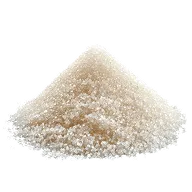
MSM (methylsulfonylmethane) is an organic sulfur compound that occurs naturally in small amounts in some foods. Sulfur is a building block your body uses in connective tissue, which is one reason MSM became one of the most familiar names on joint-support labels — in capsules and, increasingly, in topical formulas.
In Kinzeno, MSM is part of the restore phase, working with magnesium to help calm deep tissue and muscle discomfort. Researchers have looked at MSM in the context of joint comfort, mostly as an oral supplement, so the honest way to put it is this: it's a well-established, well-tolerated ingredient in the category, and in a gel its role is supporting everyday comfort — not curing joint problems.
Arnica: the classic massage botanical
Arnica montana is a yellow flower that grows in European mountain meadows, and it's been a staple of topical gels, creams and massage oils for generations — especially for muscles that feel sore after a long day, a workout or yard work. If you've ever bought a "sports gel" at a pharmacy, there's a good chance arnica was on the label.
Arnica belongs on the skin, not in the mouth — which is exactly how it's used in Kinzeno. It's one of the reasons the gel feels like a proper "recovery" product rather than just a cooling rub.
Magnesium: the muscle-relaxing mineral
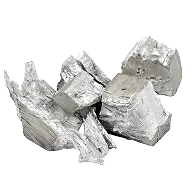
Magnesium is the mineral most people associate with relaxation — it's what's in Epsom salt (magnesium sulfate), the go-to soak for tired muscles. Your body uses magnesium in normal muscle function, including the "relax" half of every contraction.
In Kinzeno, magnesium teams up with MSM in the restore phase to help release tight, overworked muscles. We'll be straightforward: how much magnesium passes through the skin is still debated by scientists. What isn't debated is that a few minutes of massage with a soothing gel helps tense muscles loosen — and that's the experience Kinzeno is built around.
Boswellia: yes, that's frankincense
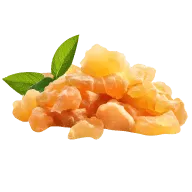
Here's a detail many shoppers miss: Boswellia is frankincense. The aromatic resin of the Boswellia tree has been prized for thousands of years — in incense, in traditional practices and, more recently, in joint-comfort formulas. So if you've seen Kinzeno described as containing "frankincense" in one place and "Boswellia" in another, it's the same ingredient.
In the gel, Boswellia is used to help ease stiffness and deep tension, and it contributes to the formula's pleasant, natural scent. It's part of what makes Kinzeno feel less like a medicine-cabinet rub and more like a calming daily ritual.
The supporting cast: allantoin, vitamin E, B5 and inositol
Beyond the big four, Kinzeno includes around ten more natural ingredients. The ones most worth knowing are skin-friendly helpers:
- Allantoin — a classic soothing, skin-conditioning ingredient found in many gentle skincare products.
- Vitamin E — an antioxidant that helps keep skin soft, useful for anything you apply daily.
- Vitamin B5 (panthenol family) — a moisturizing, skin-comforting vitamin.
- Inositol — a naturally occurring compound included as part of the overall blend.
These don't steal the spotlight, but they matter: a gel you use two to four times a day should be kind to your skin, absorb quickly and leave no greasy film. That's the experience most users describe.
Like what's inside?
Kinzeno combines MSM, arnica, magnesium and Boswellia in a drug-free, non-greasy gel — and the official site is running a limited-time deal of up to 70% off right now.
See the Kinzeno deal (up to 70% off) → Or read our full Kinzeno Gel review first →What's not inside — and why that matters
Just as important as the ingredient list is what Kinzeno leaves out. It's drug-free and NSAID-free, so it doesn't rely on the anti-inflammatory medicines (like diclofenac) found in some pharmacy gels. That makes it an easy fit for people who simply want a natural, daily massage routine. And unlike many gels that lean almost entirely on a menthol tingle that fades quickly, Kinzeno pairs its cooling "relieve" phase with ingredients meant to support longer-lasting comfort.
How to get the most out of the formula
Ingredients only do their job if the gel is used well. The routine is simple:
- Apply a coin-sized amount to the sore area — knees, lower back, hands, shoulders or neck.
- Massage in with circular pressure — the massage activates the micro-bubbles and helps the ingredients spread.
- Repeat 2–4 times a day as needed; consistency beats intensity.
- Pair it with light movement and stretching. Our plain-English guide to muscle, joint and back pain explains why staying gently active matters.
A quick safety note: Kinzeno is for external use only. Don't apply it to broken or irritated skin, keep it away from your eyes, and patch-test a small area first if you have sensitive skin or known plant allergies (arnica belongs to the daisy family). If you're pregnant, breastfeeding, taking medication or managing a medical condition, check with your doctor first. Pain that is severe, follows an injury or keeps getting worse deserves a medical visit.
Pricing and where to buy
Kinzeno Gel is sold through its official website, which is where the promotional pricing applies. Under the current deal, the per-jar price drops as the pack gets bigger: $34.99 for a single jar, $29.99 per jar in a 2-pack, $24.99 per jar in a 3-pack and $19.99 per jar in the 4-pack (up to 70% off). Prices can change, so always confirm the current offer at checkout. For a full breakdown of the packs, see our Kinzeno Gel homepage.
Frequently asked questions
What are the main ingredients in Kinzeno Gel?
The four headline ingredients are MSM, arnica, magnesium and Boswellia (frankincense). They're joined by around ten supporting ingredients such as allantoin, vitamin E, vitamin B5 and inositol, in a drug-free, NSAID-free, non-greasy gel.
Is Boswellia the same as frankincense?
Yes. Frankincense is the aromatic resin of the Boswellia tree. When you see Kinzeno described as containing frankincense in one place and Boswellia in another, it's the same ingredient.
Does Kinzeno Gel contain NSAIDs or other drugs?
No. Kinzeno is a drug-free, NSAID-free massage gel. It relies on natural ingredients plus the massage itself rather than anti-inflammatory medicines like diclofenac.
Is Kinzeno Gel safe for sensitive skin?
The formula includes skin-friendly ingredients such as allantoin and vitamin E and is designed to absorb without a greasy residue. If you have sensitive skin or plant allergies (arnica is in the daisy family), patch-test a small area first, and never apply it to broken or irritated skin.
How often should I apply Kinzeno Gel?
Apply a coin-sized amount and massage it in with circular pressure, up to 2–4 times a day as needed. Regular, consistent use tends to feel better than occasional use.